NORITZ BLOG

Get the latest in Noritz news and announcements.

  • Noritz | One System, Multiple Units:  The Key to Reliable Hot Water in Commercial Facilities
    25 JunNoritz | One System, Multiple Units: The Key to Reliable Hot Water in Commercial Facilities

    Hot Water Is One of Those Things Many Commercial Facility Managers Do Not Think About Until It's Gone

    In restaurants, a lack of hot water can slow food preparation, delay dishwashing, and disrupt service. In hotels or multifamily buildings, it often leads to guest or resident complaints. In schools, healthcare facilities, apartment complexes, agricultural operations, and industrial settings, reliable hot water is essential for daily operations.

    Commercial water heating should not be approached as a one-size-fits-all solution. It is a critical system that must be designed for more than peak output, considering fluctuating demand, maintenance access, system longevity, and service requirements.

    A multi-unit tankless system can address these needs for many facilities.

    Rather than relying on a single large water heater to carry the entire load, the Noritz commercial One system links multiple tankless units to create a scalable, serviceable approach to commercial hot water. By balancing the workload across units and allowing individual heaters to be serviced without shutting down the full system, Commercial One helps facilities maintain reliable hot water delivery when operations depend on it.

    How Multiple Units Work as One System

    In a Commercial One system, multiple Noritz water heaters are connected to communicate and operate as a unified system.

    With the NCC199CDV Pro, up to eight water heaters can be connected using quick-connect cords. For larger systems, Noritz system controllers can manage up to six, 12, or 24 water heaters, depending on the application.

    This communication enables the units to function as a single system. The controller or quick-connect cable shares data such as flow rate, outlet temperature, firing rate, and overall demand.

    As demand rises, one water heater activates first. When it reaches its operating range, the system brings additional units online as needed. This staged operation matches the building's hot-water load rather than activating all units simultaneously.

    This approach allows the system to increase output when demand rises and reduce it when demand falls.

    Designed for Changing Commercial Demand

    Commercial hot-water use varies widely by building type.

    In restaurants, hot-water demand is often steady, with peaks during preparation and cleanup. Tankless systems are well-suited for these settings because they respond directly to demand without storing or reheating water throughout the day.

    Hotels and multifamily properties often have distinct demand profiles. They may see a large morning peak when people are showering, lower usage during the day, and another peak in the evening.

    Those patterns matter when sizing and designing a system. Commercial projects should account for applications, fixture loads, usage patterns, and today's lower-flow fixtures. Older sizing assumptions may not always reflect modern water use, leading to oversizing and unnecessary costs.

    A multi-unit tankless system gives specifying engineers and installing and service contractors flexibility because capacity can be scaled to the building. The system can be designed around the actual demand profile rather than forcing every commercial application to use the same water-heating approach.

    Built-in Redundancy Helps Protect Operations

    One of the biggest advantages of a multi-unit tankless system is redundancy.

    For commercial facilities, service should not mean shutdown.

    With isolation valves, one heater can be taken offline while the others continue to meet demand. A unit can be descaled, repaired, or inspected without shutting off the entire hot water supply.

    This is especially important for businesses that cannot afford extended downtime. A restaurant cannot pause operations for a full day because one water heater needs attention. A hotel or multifamily property cannot easily operate without hot water.

    Redundancy helps turn maintenance into a planned, manageable task instead of a disruption that affects the whole operation.

    Load Balancing Supports Longer System Life

    A commercial water-heating system should not place unnecessary strain on a single heater.

    In a coordinated setup, the role of primary heater rotates after a set number of burn hours, helping distribute runtime more evenly across the system.

    The system also distributes flow across the connected heaters, helping avoid a scenario in which one or two units are constantly operating at maximum fire. In contrast, the rest of the system remains underused.

    That load balancing helps spread the workload more evenly, supporting consistent performance and longer system life. For facility owners, this is an important long-term benefit because reliability is not only about avoiding a sudden shutdown. It is also about how evenly the equipment operates day after day.

    Rack Systems Simplify Installation

    The benefits of a Commercial One approach begin before the system is even running.

    Noritz commercial manifold and rack options are designed to simplify installation for contractors and reduce disruption for building owners and managers. Field-assembled rack systems give contractors a packaged way to build out the installation quickly on site, while pre-built rack systems can arrive already assembled and ready to move into place.

    These options can make a significant difference in time-sensitive commercial replacements. In some applications, a pre-built rack system can help contractors replace equipment overnight, allowing a facility to resume operations the next morning.

    For contractors, that means less time fabricating a system from scratch in the field. For building owners and managers, it means less downtime and a faster return to normal operations.

    Easier Maintenance with Long-Term Value

    Maintenance plays a major role in the performance of commercial water heating systems.

    A commercial water heating system should be evaluated over its full life, not just by its upfront cost or peak output.

    • How easily can it be serviced?
    • Can the building maintain hot-water availability if one component needs attention? And…
    • Does the system support long-term performance without unnecessary installation or maintenance disruption?

    Hard water can lead to scale buildup, which can reduce performance and shorten equipment life if the system is not properly maintained. In areas with very hard water, descaling may be needed more often, while areas with lower mineral content may require less frequent service.

    With Commercial One, as noted, individual heaters can be isolated for maintenance, allowing technicians to descale, inspect, or repair one unit while hot water remains available to the building. The serviceability helps facilities stay ahead of maintenance and protect system performance over time.

    For commercial facilities, the goal is not just to have enough hot water on paper. It is to have a system that can keep delivering hot water in the real world, through changing demand, routine maintenance, and unexpected service needs.

    One System, Multiple Advantages

    Commercial buildings need hot-water systems that can adapt, recover, and keep working when operations depend on them.

    With scalable performance, built-in redundancy, and intelligent load balancing, Noritz Commercial One provides a practical path to reliable commercial hot water.

    For restaurants, hotels, multifamily properties, and other commercial facilities, that can mean fewer interruptions, easier maintenance, and greater confidence that hot water will be available when it is needed most — helping the building and the business to keep running.

  • Why Southeast Homeowners Should Take a Closer Look at Tankless Water Heaters
    25 JunWhy Southeast Homeowners Should Take a Closer Look at Tankless Water Heaters

    For Some Homeowners in the Southeastern United States, Switching From a Traditional Storage-Tank Water Heater to a Tankless System May Feel Like a Bigger Leap Than It Does in Other Parts of the Country

    After all, those bulky storage tanks are almost universally used and thus are viewed as the logical replacement option, especially if the homeowner waits until the storage tank breaks down and leaks all over the floor, so there is no more hot water.

    But when homeowners understand how tankless technology works, how easily it can replace conventional storage-type water heaters, and how the Southeast's more moderate climate can support stronger, less costly performance, the decision becomes much clearer.

    Tankless water heaters are designed to heat water on demand instead of storing — and reheating — gallons of hot water 24/7/365. This means they provide continuous hot water, though not instantaneous. Without a recirculation system, homeowners may still wait a few seconds for hot water to travel from the unit to the faucet or shower, especially if the tankless system is installed in the same location as the old tank. But once hot water arrives, a properly sized tankless unit can deliver ample supplies of hot water at the desired temperature for as long as the household needs it.

    That on-demand difference is central to understanding the value of tankless technology. Instead of thinking about hot water in terms of tank capacity, homeowners should think about how and when their household uses hot water. For Southeast homeowners in particular, factors such as groundwater temperature, installation location, and occasional freeze protection will influence how a tankless system performs. Those same considerations are also useful for homeowners in other regions, where colder incoming water temperatures may affect product sizing.

    Sizing: The Most Important Factor

    For Southeast homeowners, the first question is often whether tankless can truly keep up with household demand. The answer is yes… as long as the system is sized properly. A tankless water heater can replace a 40-gallon tank, but the size of the old tank is not the most important factor. What matters more is the home's peak hot-water usage, or how much hot water the household may need at once.

    For example, a three-bathroom home does not automatically need the largest tankless model available. The real question is whether all three bathrooms are likely to be used at the same time, or whether the household is more likely to run two showers, a kitchen sink, laundry or even a dishwasher at the same time.

    In short, sizing a tankless water heater comes down to two main factors: the home's temperature rise and its peak flow rate.

    Temperature rise is the difference between the incoming winter groundwater temperature and the desired hot water temperature, which is typically 120°F. The formula is simple: the desired temperature minus the incoming groundwater temperature equals the temperature rise.

    For example, if the incoming water temperature is 50°F, the calculation would look like this:

    120°F − 50°F = 70°F temperature rise

    Peak flow rate is the maximum hot water a home may need at any given time, measured in gallons per minute (GPM). For example, if a household expects to run two showers and a kitchen sink faucet simultaneously, the calculation would look like this:

    2 showers' flow rate + 1 kitchen sink flow rate = total peak flow rate

    Most homeowners rely on a professional installer to size their water heaters, but tools like Noritz's residential sizing calculator can serve as a helpful starting point for research. The tool provides a quick recommendation based on zip code and appliance use, helping homeowners better understand their options before discussing the project with an installer or contractor.

    When choosing a tankless system, the selected unit should meet or exceed both the home's maximum temperature rise (the coldest season of the year) and its peak flow rate, since an undersized unit may struggle when multiple fixtures are running at once or when water temperatures drop to their lowest point.

    The Southeast Advantage

    Because the temperature rise depends partly on incoming groundwater temperature, the Southeast has a strong advantage: its warmer groundwater usually means a tankless unit does not have to work as hard to raise the water temperature to the desired set point. In many cases, a smaller unit may meet the needs of a Southeast home versus a home in a colder region.

    For example, an EZ98 with a maximum input of 180,000 BTU may meet the needs of a three-bathroom home in the Southeast. Meanwhile, the same-sized home in the Northeast may require a larger model, such as the EZ111 with a maximum input of 199,000 BTU.

    (Note: "BTU" stands for "British Thermal Unit," a measure of the heat energy needed to raise the temperature of the water. One BTU represents the heat needed to raise one pound of water by 1°Fahrenheit.)

    The advantage of a smaller — and, therefore, less costly to buy and operate — water heater makes tankless an important option for Southeast homeowners to consider. Tankless water heaters are not just for colder regions or homeowners seeking a premium upgrade. In warmer climates, tankless technology can be a practical replacement option because the incoming warmer water temperature requires less energy to deliver the desired hot water output.

    The Southeast climate may also offer greater installation flexibility. In areas where the winters are milder, homeowners can install a tankless unit outdoors, freeing up space inside the home or the garage.

    Outdoor installation should still account for the possibility, however remote, of freezing weather. Built-in freeze prevention can help during mild cold snaps, but it requires electrical power. If freezing weather results in a power outage for any length of time, the best way to protect a tankless unit is to shut off the hot and cold isolation valves and drain it.

    Installation Considerations

    Installation expense is, of course, another understandable concern. Costs vary because every home and installer is different, but labor and materials are often a significant part of the final price. Noritz offers EZ Tank Replacement packages (EZTR40, EZTR50, and EZTR75) designed to replace conventional 40-, 50-, and 75-gallon tank models. This simple replacement assumes, of course, that the previous tank met the home's hot water needs.

    These replacement packages include truly unique features such as:

    • Top-mounted hot- and cold-water connections reduce the amount of new plumbing work normally required by a tankless-for-tank replacement. Conventional tankless water heaters have these connections on the bottom of the unit. But positioning them at the top of the EZ Series units — just like a standard tank water heater — allows installers to use the same pair of hot and cold flexible connectors as the old tank model. This sharply reduces installation time and cost.
    • Flexible polypropylene vent kits can also help cut installation time and material expense. The kit allows the installer to repurpose the existing b-vent (formerly used by the tank water heater being replaced) as a chase for the new venting — a much simpler process than building a new vent.

    Homeowners may also wonder whether their new tankless, gas-fired water heater requires a larger gas line or major electrical upgrades. A standard ¾-inch gas line is not always required, but line sizing depends on the gas pressure, gas line length, and the maximum BTU rating of the tankless unit. As for electrical consumption, Noritz tankless units operate on standard 120-volt power and consume 5 amps or less.

    Long-Term Benefits and Maintenance

    For many homeowners, the long-term benefits of tankless water heating can be compelling. Because a tankless water heater heats water only when it's needed, homeowners typically see lower gas bills. With proper installation and maintenance, a tankless unit should also last 15–25 years, as reflected in Noritz's industry-leading 25-year warranty on its dual stainless-steel heat exchangers.

    Maintenance should still be part of the ownership plan. One common misconception is that tankless water heaters do not need regular maintenance. But like an air conditioner or gas furnace, they should be inspected, flushed (see below), and otherwise maintained yearly. For example, homeowners should keep the unit clean and free of dust, lint, and other debris that could affect performance.

    Water quality also matters. In areas with hard water, minerals such as calcium, magnesium, and manganese can build up inside plumbing and water-heating equipment over time, reducing efficiency and potentially shortening the life of the system. Homeowners can check local water hardness maps for a general idea of their area's water quality, but a simple water test can provide a more accurate answer. Depending on water hardness, descaling may be needed every one to three years, or more often if recommended by a professional. (See: "How to descale a Noritz tankless water heater.")

    The Bottom Line

    For Southeast homeowners, tankless water heaters deserve a closer look. The region's warmer groundwater temperatures can support strong performance, while Noritz solutions, such as residential sizing tools and EZ Tank Replacement packages, can help homeowners better understand and simplify the switch from tank models.

    Whether the home is in the Southeast, Northeast, Far West, or anywhere in between, the right tankless system starts with proper sizing, professional installation, and routine maintenance.

  • Tankless Water Heater Maintenance: Complete Guide
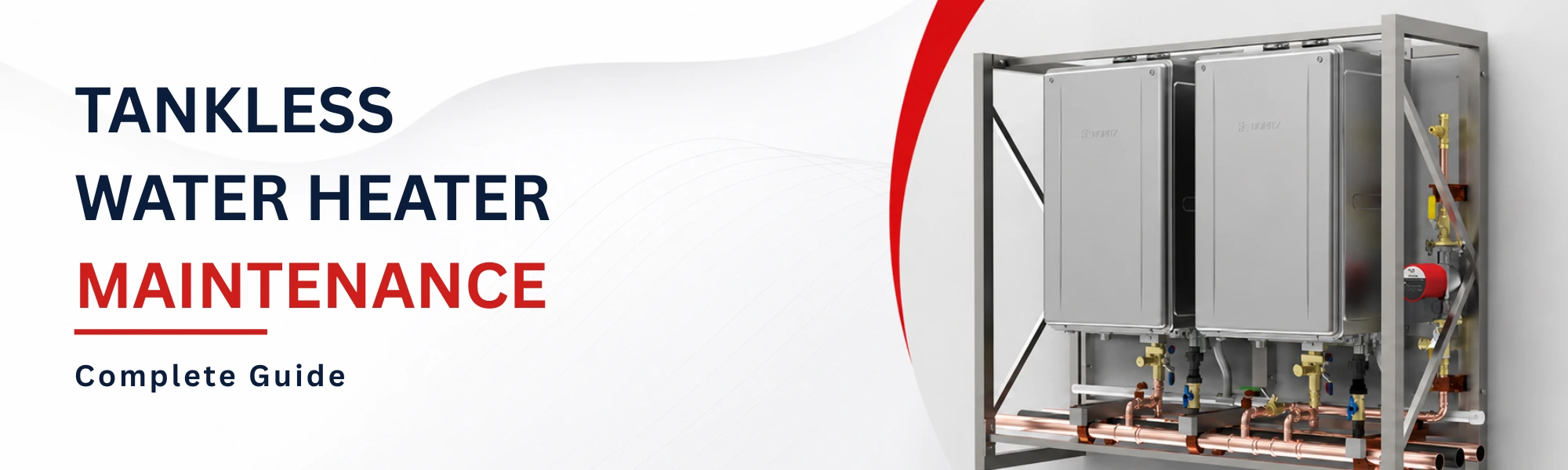
    23 JunTankless Water Heater Maintenance: Complete Guide

    A tankless water heater is designed to provide efficient and continuous hot water for homes and commercial spaces. However, like any high-performance system, regular upkeep is essential to maintain efficiency and long-term reliability. Proper tankless water heater maintenance helps improve system performance, reduce unexpected breakdowns, and extend the lifespan of the unit.

    Unlike traditional storage tank systems, tankless units operate on-demand and rely on advanced heating components to deliver hot water instantly. Over time, minerals, debris, and normal wear can affect performance if routine maintenance is ignored.

    By following a proper tankless water heater maintenance routine, homeowners and businesses can keep their systems operating efficiently while avoiding costly repairs.

    To learn more about Noritz tankless systems, visit: https://noritz.com/tts

    Why Regular Maintenance Matters For Tankless Water Heater

    Routine tankless water heater maintenance offers several important benefits, including:

    • Improved energy efficiency
    • Better hot water performance
    • Reduced risk of system failure
    • Longer equipment lifespan
    • Lower repair and operating costs

    Regular servicing also helps maintain consistent water temperature and ensures the system continues operating safely.

    Noritz systems are designed for durability and long-term efficiency, but preventive maintenance remains essential for optimal performance.

    Explore Noritz support resources here: https://noritz.com/commercial-consultation

    Common Maintenance Tasks

    Flushing & Descaling

    One of the most important parts of tankless water heater maintenance is flushing and descaling the system. Over time, minerals such as calcium and lime can build up inside the heat exchanger, especially in areas with hard water.

    Descaling helps remove these deposits and improves heating efficiency. Most professionals recommend flushing the system annually, although homes with hard water may require more frequent servicing.

    Cleaning Filters

    Tankless water heaters contain inlet water filters that help prevent debris from entering the system. Dirty or clogged filters can reduce water flow and affect performance.

    As part of regular tankless water heater maintenance, filters should be inspected and cleaned periodically to ensure proper operation.

    Checking Venting & Gas Connections

    Proper venting and gas supply are essential for safe system performance. During maintenance, technicians typically inspect:

    • Venting systems
    • Gas lines and fittings
    • Air intake pathways
    • Condensate drainage systems

    Routine inspections help identify leaks, blockages, or damage before they become serious problems. Noritz professional-grade systems are engineered for reliable operation and simplified servicing. Learn more here: https://noritz.com/pro-line/

    Signs Your System Needs Service

    Even with regular upkeep, there are several signs indicating that tankless water heater maintenance may be required sooner than expected.

    Reduced Water Flow

    Mineral buildup inside the heat exchanger or clogged filters can restrict water flow. If you notice lower water pressure or inconsistent flow, the system may need servicing.

    Error Codes

    Modern tankless systems often display error codes when operational issues occur. These codes may indicate problems related to ignition, venting, water flow, or system overheating. Noritz systems include diagnostic features that help identify maintenance requirements quickly.

    Longer Heating Times

    If hot water takes longer to reach the desired temperature, it may indicate scale buildup or reduced heating efficiency.

    Timely tankless water heater maintenance can help restore system performance and prevent further issues.

    Recommended Maintenance Schedule

    Most manufacturers recommend professional tankless water heater maintenance at least once a year. However, maintenance frequency may vary depending on:

    • Water hardness levels
    • Usage volume
    • Installation environment
    • System size

    Commercial applications or homes with hard water may require more frequent servicing to prevent excessive mineral buildup.

    Businesses using commercial systems can explore Noritz commercial case studies here: https://noritz.com/case-studies

    Tips to Extend System Lifespan

    Install a Water Softener

    Hard water is one of the leading causes of scale buildup inside tankless systems. Installing a water softener can significantly reduce mineral deposits and improve long-term performance.

    A water softener also reduces the frequency of tankless water heater maintenance while helping protect internal components.

    Schedule Preventive Inspections

    Routine inspections by qualified technicians help detect small issues before they become major repairs.

    Preventive servicing ensures:

    • Better system efficiency
    • Improved reliability
    • Safer operation
    • Extended equipment lifespan

    Noritz also provides homeowner support and maintenance resources here: http://training.noritz.com/

    Conclusion

    Routine tankless water heater maintenance is essential for ensuring reliable performance, energy efficiency, and long-term durability. Regular flushing, filter cleaning, and professional inspections help keep the system operating at peak efficiency while reducing the risk of costly repairs.

    Whether for residential or commercial use, a properly maintained tankless water heater delivers consistent hot water and improved operational reliability for years to come.

    By investing in preventive maintenance, homeowners and businesses can maximize the value and lifespan of their tankless water heating system.

    Related Videos

    FAQs

    How often should a tankless water heater be serviced?

    Most systems should be professionally serviced once a year. Homes with hard water or high usage may require more frequent maintenance.

    Can homeowners perform basic maintenance themselves?

    Yes. Homeowners can perform basic tasks such as cleaning filters and inspecting visible components. However, professional servicing is recommended for descaling and technical inspections.

    Does hard water affect tankless water heaters?

    Yes. Hard water can cause mineral buildup inside the heat exchanger, reducing efficiency and system performance over time.

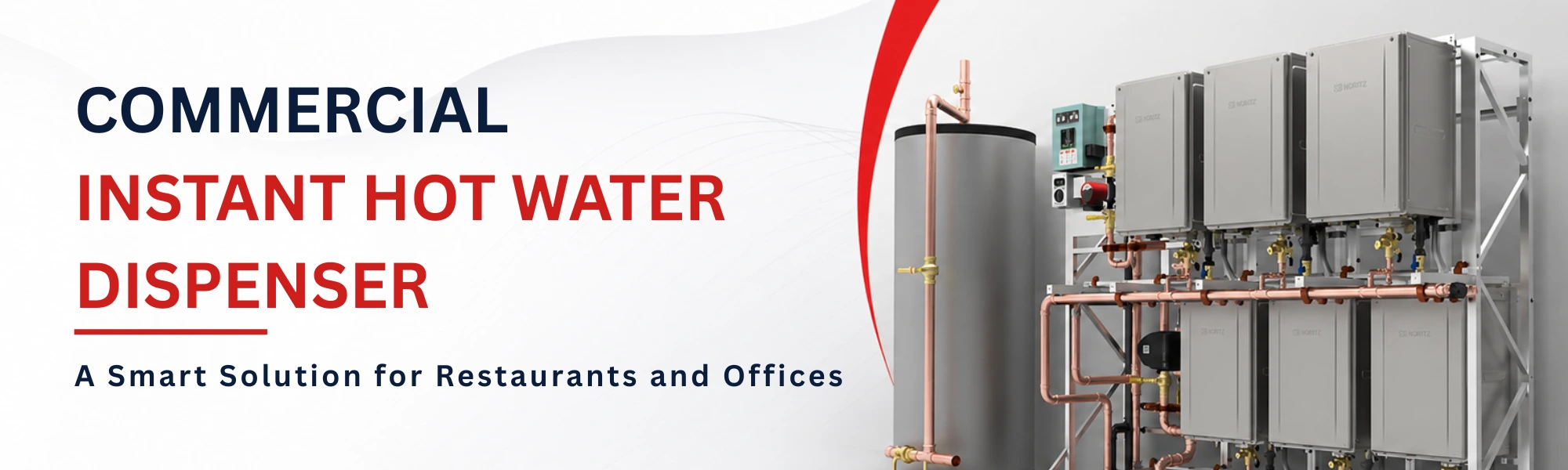
  • Commercial Instant Hot Water Heater: A Smart Solution for Restaurants and Offices
    16 JunCommercial Instant Hot Water Heater: A Smart Solution for Restaurants and Offices

    In fast-paced commercial environments, quick access to hot water is essential for maintaining operational efficiency and delivering better customer service. From restaurants running dishwashers during peak hours to offices providing convenience for employees, businesses are increasingly investing in a commercial instant hot water dispenser to improve productivity and reduce waiting time.

    Unlike traditional water heating systems, a commercial instant hot water dispenser delivers hot water immediately whenever needed. This helps businesses save time, reduce energy waste, and streamline day-to-day operations.

    Modern businesses such as restaurants, cafes, hotels, offices, and hospitality spaces require dependable hot water solutions that can handle continuous usage while remaining energy efficient. This is why instant hot water systems are becoming a preferred solution across multiple industries.

    Businesses looking for advanced commercial hot water solutions can explore Noritz’s commercial systems here: https://noritz.com/commercial/

    How Do Commercial Instant Hot Water Dispenser Works

    A commercial instant hot water dispenser works by heating water on demand rather than storing large amounts of heated water in a tank. When hot water is required, cold water passes through a high-efficiency heating system that instantly raises the water temperature.

    This process allows businesses to receive hot water within seconds while reducing unnecessary standby energy loss.

    Modern commercial systems are designed with advanced heat exchangers and high-efficiency burners to ensure consistent water temperature even during heavy usage. Noritz commercial tankless systems are specifically engineered for high-demand applications and scalable performance.

    Learn more about Noritz tankless technology here: https://noritz.com/tts

    One major advantage of a commercial instant hot water dispenser is operational efficiency. Employees no longer need to wait for water to heat up, helping improve workflow and customer service speed.

    Benefits Instant Hot Water Dispenser for Businesses

    Faster Service

    Speed is critical in commercial environments. Restaurants, cafés, and office kitchens often require immediate hot water for beverages, cleaning, and food preparation.

    A commercial instant hot water dispenser helps reduce waiting time and improves overall service efficiency. Staff can instantly access hot water for tea, coffee, soups, sanitization, and cleaning tasks.

    In busy restaurant kitchens, this can significantly improve operational flow during peak hours.

    Energy Efficiency

    Traditional storage water heaters continuously consume energy to maintain water temperature. In contrast, a commercial instant hot water dispenser only heats water when needed.

    This reduces standby energy loss and helps businesses lower utility costs over time.

    Noritz commercial systems are designed for high efficiency and long-term energy savings, making them ideal for businesses looking to optimize operational expenses.

    Businesses can also explore Noritz high-efficiency commercial solutions here: https://noritz.com/pro-line/

    Reduced Water Waste

    Another benefit of using a commercial instant hot water dispenser is reduced water waste. Traditional systems often require users to wait for hot water to arrive, leading to unnecessary water usage.

    Instant systems deliver hot water quickly, minimizing water wastage while supporting sustainability goals for businesses.

    This is especially important for hospitality businesses aiming to improve environmental efficiency and operational performance.

    Applications

    Restaurants and Cafes

    Restaurants rely heavily on continuous hot water for cooking preparation, cleaning, dishwashing, and beverage service. A commercial instant hot water dispenser ensures staff have immediate access to hot water throughout operating hours.

    Offices

    Modern office spaces increasingly provide convenience amenities for employees. Instant hot water dispensers help employees quickly prepare tea, coffee, and meals without delays.

    This improves workplace convenience and employee satisfaction.

    Hospitality Spaces

    Hotels, resorts, and hospitality facilities require dependable hot water access for kitchens, housekeeping, and guest services. Commercial instant systems provide reliable performance while supporting high-volume usage.

    Noritz also offers scalable commercial rack systems suitable for large facilities and hospitality environments: https://noritz.com/commercial/

    Installation and Maintenance

    Proper installation is important to ensure optimal performance from a commercial instant hot water dispenser.

    Businesses should consider:

    • Available installation space
    • Gas and electrical requirements
    • Venting systems
    • Water pressure requirements
    • Usage capacity

    Professional installation helps ensure safety, efficiency, and compliance with local regulations.

    Regular maintenance is also essential for long-term performance. Routine servicing may include:

    • Descaling the system
    • Cleaning filters
    • Inspecting connections
    • Checking water quality

    Noritz provides professional-grade commercial systems designed for durability and simplified maintenance requirements.

    Explore commercial support and solutions here: https://noritz.com/commercial-consultation

    Conclusion

    As businesses continue focusing on efficiency, sustainability, and operational performance, the demand for a commercial instant hot water dispenser continues to grow.

    These systems provide immediate hot water access, reduce energy waste, improve workflow efficiency, and support high-demand commercial environments. Whether it’s a busy restaurant, office pantry, or hospitality facility, instant hot water systems offer businesses a reliable and modern solution.

    By investing in advanced commercial hot water technology, businesses can improve productivity while lowering long-term operating costs.

    Related Videos

    FAQs

    Are commercial instant hot water dispensers energy efficient?

    Yes. Since they heat water only when needed, they reduce standby energy loss and help lower utility costs.

    How quickly do these systems provide hot water?

    Most systems provide hot water within seconds, making them ideal for high-demand commercial environments.

    Do commercial instant hot water dispensers require regular maintenance?

    Yes. Routine maintenance such as descaling, filter cleaning, and inspections helps maintain efficiency and extend system lifespan.

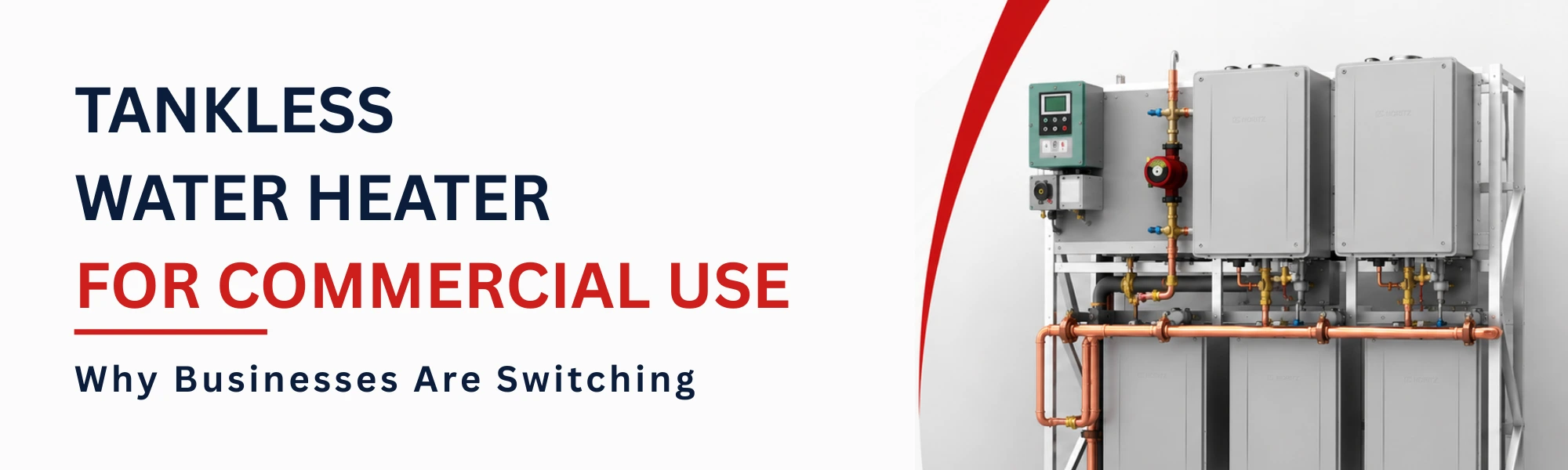
  • Tankless Water Heater for Commercial Use: Why Businesses Are Switching
    9 JunTankless Water Heater for Commercial Use: Why Businesses Are Switching

    Businesses today need reliable hot water systems that can handle high demand without increasing operational costs. From restaurants and hotels to hospitals and apartment complexes, commercial facilities rely heavily on continuous hot water every day. This is one of the biggest reasons why more businesses are choosing a tankless water heater for commercial use instead of traditional storage tank systems.

    Modern commercial operations require efficiency, scalability, and long-term reliability. A tankless water heater for commercial use delivers hot water on demand while helping businesses save energy, reduce downtime, and maximize available space.

    Growing Demand for Tankless Water Heater For Commercial Use

    Traditional water heaters store and continuously heat large amounts of water, even when it is not being used. This often leads to higher energy bills and inconsistent performance during peak hours.

    A tankless water heater for commercial use heats water only when needed. This on-demand technology ensures businesses have access to endless hot water while improving overall energy efficiency.

    According to Noritz Commercial Solutions, commercial tankless systems are designed to provide uninterrupted hot water flow while supporting scalable multi-unit configurations for large facilities.

    Businesses that commonly depend on continuous hot water include:

    • Restaurants and cafes
    • Hotels and resorts
    • Hospitals and healthcare facilities
    • Gyms and fitness centers
    • Schools and apartment buildings
    • Industrial and agricultural facilities

    Benefits of a Tankless Water Heater for Commercial Use

    1. High-Capacity Performance

    One major advantage of a tankless water heater for commercial use is its ability to handle large volumes of hot water demand. Commercial systems can be linked together to create powerful rack systems capable of supporting multiple fixtures simultaneously.

    Noritz commercial systems can be connected for outputs up to 9.1 million BTU/hr and flow rates up to 316 gallons per minute.

    This makes them ideal for high-demand operations such as restaurants during rush hours or hotels with multiple occupied rooms.

    2. Energy Efficiency & Cost Savings

    Energy efficiency is another reason businesses are switching to a tankless water heater for commercial use. Since the system only heats water when required, there is less standby energy loss compared to traditional storage tanks.

    Many Noritz commercial models feature up to 0.98 UEF efficiency ratings, helping businesses lower utility costs while reducing energy waste.

    Lower energy usage can lead to significant long-term savings, especially for facilities operating around the clock.

    3. Space-Saving Design

    Commercial tankless systems are compact and wall-mounted, which frees up valuable floor space. This is especially beneficial for restaurants, mechanical rooms, and smaller commercial properties where space optimization matters.

    Businesses can also explore Noritz Pro Line Commercial Systems for scalable commercial applications and advanced system configurations.

    Advanced Commercial Features That Drive Performance

    Intelligent System Technology

    Modern commercial facilities often experience fluctuating hot water demand throughout the day. Noritz commercial systems feature intelligent communication technology that allows multiple units to work together as a single system.

    In a multi-system setup, individual units communicate with one another and automatically distribute the workload evenly. This intelligent system design maximizes performance, improves efficiency, and helps extend equipment lifespan by preventing any single unit from being overworked.

    For businesses that rely on uninterrupted hot water, this built-in intelligence provides greater reliability and operational confidence.

    Modular Design for Scalability

    One of the biggest advantages of modern commercial tankless systems is their modular design. Rather than relying on one oversized water heater, businesses can install multiple self-contained units that operate together.

    This modular approach allows facilities to scale hot water capacity as demand grows. Whether expanding a restaurant, upgrading a hotel, or adding new healthcare facilities, additional units can be integrated into the system without replacing the entire setup.

    Modular design also simplifies maintenance and provides greater flexibility for future expansion.

    Multi-System Unit Configuration

    Large commercial projects often require more hot water than a single unit can provide. Multi-system configurations allow several tankless water heaters to be linked together into a unified commercial solution.

    Noritz multi-system units can be connected to deliver outputs of up to 9.1 million BTU/hr and flow rates of up to 316 gallons per minute. This makes them ideal for high-demand applications where continuous hot water is critical.

    Additionally, if one unit requires maintenance, the remaining units continue operating, helping minimize downtime and ensuring uninterrupted hot water availability.

    Industries Using Commercial Tankless Systems

    Restaurants Restaurants require constant hot water for dishwashing, cooking preparation, and sanitation. A tankless water heater for commercial use helps maintain consistent water temperatures even during peak service hours.

    Hotels Hotels depend on reliable hot water for guest satisfaction. Tankless systems ensure uninterrupted hot water for showers, laundry, and kitchen operations while improving energy efficiency.

    Hospitals & Healthcare Facilities Healthcare facilities require dependable hot water for hygiene, cleaning, and patient care. Commercial tankless systems provide reliable performance with built-in redundancy for continuous operation.

    Noritz also offers advanced Commercial Rack Systems & Solutions designed specifically for large-scale commercial installations.

    System Sizing & Flow Requirements

    Proper sizing is critical when selecting a tankless water heater for commercial use. Businesses must evaluate:

    • Peak hot water demand
    • Number of fixtures
    • Simultaneous usage requirements
    • Flow rate (GPM) needs
    • Incoming water temperature

    Commercial facilities often use rack systems that combine multiple units together for higher capacity and redundancy.

    For example, Noritz Total Tankless Solutions (TTS) are pre-engineered systems that simplify installation while supporting large-scale commercial hot water demands.

    Multi-unit systems also provide an added advantage: if one unit requires maintenance, the remaining units continue operating without interrupting the hot water supply.

    Installation Considerations

    Installing a tankless water heater for commercial use requires professional planning and proper system design.

    Important installation considerations include:

    • Proper gas line sizing
    • Venting requirements
    • Water quality considerations
    • Recirculation systems
    • Condensate drainage
    • Electrical and control setup

    Professional installation ensures the system operates efficiently and complies with local building codes.

    Businesses looking for commercial installation support can also explore Noritz Commercial Water Heating Solutions for consultation and system planning resources.

    Conclusion

    As businesses continue looking for efficient and reliable water heating solutions, the demand for a tankless water heater for commercial use continues to grow. These systems offer endless hot water, lower operating costs, scalable configurations, and long-term durability for commercial environments.

    Whether it’s a busy restaurant, large hotel, or healthcare facility, commercial tankless systems provide the performance and efficiency businesses need to operate smoothly.

    Frequently Asked Questions

    Can tankless systems handle high commercial demand?

    Yes. Commercial tankless systems are specifically designed for high-demand applications and can be linked together in multi-unit configurations for greater capacity.

    What is the advantage of a modular commercial tankless system?

    Modular systems allow businesses to expand hot water capacity as needed while providing greater flexibility, easier maintenance, and built-in redundancy.

    How do intelligent commercial tankless systems improve performance?

    Intelligent systems allow multiple units to communicate and share workload evenly, maximizing efficiency, extending equipment lifespan, and ensuring consistent hot water delivery.

    How many units are required for a commercial setup?

    The number of units depends on the facility size, flow rate requirements, and peak hot water demand. Professional sizing calculations help determine the right setup.

    How much energy can businesses save?

    Energy savings vary by usage, but high-efficiency commercial tankless systems can significantly reduce energy consumption compared to traditional storage water heaters.

  • Commercial Gas Water Heater Prices: What Businesses Should Expect to Pay
    21 MayCommercial Gas Water Heater Prices: What Businesses Should Expect to Pay

    Reliable hot water is essential for restaurants, hotels, hospitals, apartment complexes, schools, and many other facilities. When planning for a new system, understanding commercial gas water heater prices helps businesses make smarter long-term decisions. The right investment is not only about the purchase cost it also includes installation, efficiency, maintenance, and future scalability.

    Choosing the right system from a trusted provider like Noritz Commercial Solutions ensures businesses get dependable performance and reduced operational downtime.

    Factors Affecting Price:

    Several factors influence commercial gas water heater prices, and no two installations are exactly the same.

    System Capacity & Complexity

    The larger the building and the higher the hot water demand, the more powerful the system required. A small cafe may need a much smaller setup than a hotel or healthcare facility. Multi-unit commercial rack systems often cost more initially but provide better reliability and system redundancy.

    Businesses looking for scalable options can explore Noritz Commercial Tankless Systems, which are designed for varying demand levels.

    Installation Requirements

    Installation costs depend on venting, gas line upgrades, plumbing modifications, and available space. Replacing an older tank system with a tankless solution may require some infrastructure updates, which can affect the final project budget.

    Professional installation through a certified contractor is always recommended. Businesses can use the Noritz Find an Installer option to connect with qualified professionals.

    Energy Efficiency Ratings

    Higher-efficiency systems may come with a higher upfront price, but they often reduce monthly utility costs significantly. Condensing commercial systems are especially valuable for businesses focused on lowering operational expenses.


    Tank vs Tankless Systems:

    When comparing commercial gas water heater prices, businesses often evaluate traditional tank systems against modern tankless solutions.

    Cost Comparison

    Tank water heaters usually have a lower initial purchase cost. However, they require more space and continuously heat stored water, even when not in use.

    Tankless systems generally have a higher upfront investment, but they heat water only when needed. This on-demand operation helps reduce wasted energy and improves efficiency. Learn more about how these systems work at How Tankless Water Heaters Work.

    Operational Efficiency

    Tankless commercial systems provide endless hot water without recovery delays. For high-demand businesses, this improves service consistency and customer satisfaction.

    Additionally, modular tankless systems offer built-in redundancy if one unit requires service, the remaining units continue operating.


    Long-Term ROI:

    Looking beyond the initial investment is important when evaluating commercial gas water heater prices.

    Energy Savings

    Energy-efficient systems lower gas consumption and reduce utility bills over time. Businesses with heavy hot water usage often recover their investment faster through monthly savings.

    Maintenance Costs

    Traditional tanks may require more frequent maintenance and eventual tank replacement. Tankless systems typically have a longer operational life with proper servicing and descaling.

    Routine service support is available through Noritz Support Documentation and service networks.


    Choosing the Right System:

    Business Size & Water Demand

    System selection should match peak demand, not just daily average use. Restaurants during lunch rush or hotels during morning occupancy need consistent hot water delivery without interruptions.

    System Scalability

    Growing businesses benefit from systems that can expand with demand. Commercial rack and manifold systems provide flexibility without requiring complete replacement later.

    Solutions like the Noritz SWH Series are built for larger facilities requiring scalable performance and simplified installation.


    Conclusion

    Understanding commercial gas water heater prices means evaluating both upfront cost and long-term value. While tankless systems may require a larger initial investment, they often deliver better efficiency, lower maintenance costs, and greater reliability over time.

    For businesses that depend on uninterrupted hot water, investing in an efficient commercial system is not just a purchase it is a strategic business decision.


    Frequently Asked Questions

    What is the average cost of commercial water heaters?

    Costs vary depending on system size, installation complexity, and efficiency level. Small commercial systems may cost significantly less than large multi-unit installations designed for hotels or hospitals.

    How do businesses choose the right system size?

    Sizing depends on peak hot water demand, occupancy, fixture count, and usage patterns. Professional system design helps avoid undersized or oversized installations.

    How long do commercial gas water heaters last?

    With proper maintenance, commercial tankless systems often last longer than traditional tank systems. Regular servicing helps improve performance and extends system lifespan.

  • How to Choose the Right Commercial on Demand Water Heater for Your Business
    9 AprHow to Choose the Right Commercial on Demand Water Heater for Your Business

    A commercial on demand water heater plays a critical role in businesses that depend on a continuous and reliable hot water supply. From restaurants and hotels to healthcare and industrial facilities, hot water is essential for daily operations, hygiene, and customer satisfaction.

    Unlike traditional storage systems, a commercial on demand water heater heats water only when needed, eliminating standby energy loss and ensuring uninterrupted performance. If you’re exploring modern solutions, understanding how Noritz systems work can give you a clearer picture of efficiency and long-term value.

    Choosing the right system requires careful planning, this guide will walk you through everything you need to know.

    Right Commercial on Demand Water Heater

    Understanding Hot Water Demand and System Redundancy in Commercial Setups

    When selecting a commercial on demand water heater, understanding your business’s hot water demand is only part of the equation, reliability is equally important

    For high-demand environments, relying on a single unit can be risky. This is where modular systems come in. Businesses can explore scalable solutions like

    👉 https://noritz.com/commercial/

    These systems are designed to distribute workload efficiently and maintain continuous operation. In fact, advanced rack setups such as

    👉 https://noritz.com/cr61-commercial-rack-system

    ensure that even during maintenance or unexpected failure, your hot water supply remains uninterrupted.

    Key Selection Factors

    Choosing the right commercial on demand water heater involves evaluating multiple technical and operational aspects.

    System Capacity & Sizing: The system must handle peak demand without performance drops. Proper sizing ensures efficiency and prevents overloading.

    Energy Efficiency: Energy-efficient systems reduce long-term operating costs. You can learn more about system performance here:

    👉 https://noritz.com/how-tankless-works

    Tank vs On-Demand Systems

    When comparing traditional systems with a commercial on demand water heater, the advantages become clear.

    Performance: On-demand systems provide continuous hot water, unlike tank systems that can run out during peak hours.

    Cost and Efficiency: While initial costs may be higher, long-term savings are significant due to reduced energy waste.

    Best Fit by Business Type

    • Restaurants: High-demand systems
    • Hotels: High-demand systems
    • Light Commercial Business: Moderate capacity solutions

    For a deeper comparison, visit: 👉 https://noritz.com/tank-vs-tankless

    Switching to a commercial on demand water heater is often a strategic upgrade for growing businesses.

    Installation & Space Considerations

    Installing a commercial on demand water heater requires thoughtful planning.

    Indoor vs Outdoor Installation: Depending on your facility layout, systems can be installed indoors or outdoors.

    Venting and Infrastructure: Gas-based systems require proper venting and compliance with safety standards.

    One of the biggest advantages is compact design unlike bulky tanks, these systems save space and allow flexible installation. For commercial setups, explore:

    Tips for Selecting the Right System

    To make the right choice, keep these tips in mind:

    Work with Experts: Professional guidance ensures correct sizing and installation.

    Plan for Growth: Choose modular systems that allow expansion as your business grows.

    Focus on Reliability: Invest in systems with proven durability and strong support. Brands like Noritz are known for engineering reliable and scalable commercial solutions.

    A well-selected commercial on demand water heater can significantly improve operational efficiency

    Conclusion

    Choosing the right commercial on demand water heater is a long-term investment that directly impacts your business performance.

    By understanding demand, prioritizing redundancy, and selecting the right system configuration, businesses can ensure uninterrupted hot water supply and improved energy efficiency.

    To learn more about the brand and its expertise, visit: 👉 https://noritz.com/about-us

    Making an informed decision today will help your business stay efficient, reliable, and future-ready.

  • Noritz to launch new “Commercial One” tankless water heater marketing campaign at the 2026 AHR Expo in Las Vegas
    21 JanNoritz to launch new “Commercial One” tankless water heater marketing campaign at the 2026 AHR Expo in Las Vegas

    Noritz America, an international leader in tankless and electric heat pump water heaters and high-efficiency combination boilers, will unveil a new commercial water heating marketing campaign at the 2026 AHR Expo in Las Vegas on February 2 – 4, 2026. The new “Commercial One” initiative will showcase Noritz’s expanding commercial water heater offerings, led by its flagship product line — the NCC199 CDV Pro — which can be viewed in Booth C4929 in the Central Hall of the Las Vegas Convention Center.

    A “True Commercial” tankless water heater, the NCC199 is engineered specifically for high-demand commercial and industrial water heating applications. CSA-approved for common venting up to six units, this high-efficiency condensing water heater has a maximum input of 199,900 BTU per hour, a flow rate of up to 11.1 gallons per minute, and an Energy Factor of 0.98 UEF. Incorporating two corrosion-resistant stainless steel heat exchangers to maximize durability, the heater carries an industry-best 10-year warranty on these components.

    Commercial One will emphasize not only the engineering excellence of the NCC199 itself, but also its ability to deliver scalable solutions by linking multiple units in a single system, ensuring uninterrupted hot water flow, maximum efficiency, and reliable long-term performance. The NCC199 is the key component in commercial multi-unit rack systems designed, built, installed, and serviced by another Noritz Group company: Facilities Resource Group LLC, based in Grand Rapids, Michigan.

    Specializing in assisting fast-food and casual dining operators with their hot-water needs, FRG’s client list includes Texas Roadhouse, Panera Bread, Love’s, and Chili’s.

    “Our commercial systems are designed with redundancy firmly in mind,” says FRG vice president Ben Wirick. “By linking multiple Noritz tankless units, we don’t need to interrupt the hot water supply when it comes time to service any one heater.

    “In a multi-system setup,” he explains, “the Noritz units will communicate with one another and work in unison to even out the load on each heater, maximizing output and system life. Isolation valves and system controllers ensure even wear and proper operation, providing peace of mind for facility owners and managers. Noritz units can be linked together for outputs up to 9.1 million BTU per hour and 316 gallons per minute.”

    Noritz offers several different types of commercial rack assemblies to meet the hot-water needs of a variety of commercial applications:

    CR61 Rack: This pre-fabricated, multi-unit racking system is designed for installation on a flat rooftop or in a mechanical room of large commercial facilities.

    Commercial Manifold and Rack Kits: Pre-assembled by Noritz in the United States, wall-hung CMK Manifold Kits and floor-mounted CRK Rack Kits are flat-packed for jobsite shipment in easy-to-carry boxes and engineered to streamline the contractor’s task of erecting commercial tankless water heater rack systems in the field, whether for new construction or time-sensitive emergency replacement.

    Total Tankless Solutions: The highly customizable TTS Synergy Series helps system designers and installers accelerate the replacement of large, centralized domestic water-heating systems. By combining up to six NCC199 units in a single rack, TTS needs only a single point of connection for each incoming utility: water, power, gas, vent, condensate, and circulators. Coupled with integrated storage-tank options, the system cuts on-site labor for faster, smoother turnarounds on new and retrofit commercial projects.

    “Our products are engineered and built to remove the worry over having enough hot water,” says Noritz Executive Vice President and General Manager Jason Fleming. “Noritz commercial water heaters are tough enough to handle the hot water demand for any business, from busy restaurants to schools and hospitals, to hotels and apartments, to even agricultural and industrial applications — any operation that depends on large and timely supplies of hot water.”

    For more information on Noritz’s dedicated commercial product offering, including a wide variety of case studies highlighting real-life applications, visit: https://noritz.com/commercial

    Read our press release here: Press Release

  • Noritz Tankless Troubleshooting:  Answers to the Most Common Reddit Questions
    28 AugNoritz Tankless Troubleshooting: Answers to the Most Common Reddit Questions

    Tankless water heaters are known for their energy efficiency, compact design, and ability to deliver hot water on demand. Still, for many homeowners, they also come with a steep learning curve. From mysterious error codes to unclear warranty terms and inconsistent maintenance advice, it’s no wonder users often turn to online forums like Reddit for answers.

    Unfortunately, much of the information found online can be vague, outdated, or incorrect. That’s why we’ve compiled clear, reliable answers to the most frequently asked questions about Noritz tankless water heaters.

    The following Q&A addresses common concerns with straightforward, easy-to-follow guidance. It will help you make informed decisions and keep your system running efficiently for years to come.

    1. When Should I Perform Maintenance on My Tankless Water Heater? Homeowners should have their systems maintained once a year to ensure they are working properly. However, other factors may cause your system to need to be maintained multiple times a year. The most common are usage and water quality.

    Larger families or households that use large amounts of hot water will experience mineral buildup more quickly. More water flowing through the unit equals more wear over time. If you live in an area with hard water (such as the Southwest, Midwest, and parts of the Southeast), your system will accumulate scale and minerals faster, shortening its lifespan and reducing efficiency. Hard water is simply water that’s packed with minerals like calcium, magnesium, and manganese. While these chemicals might not sound like troublemakers, they can cause buildup in your plumbing over time, clog pipes, and even wear down your water heater, leading to costly repairs.

    Checking water hardness maps for your area can give you a good idea if your water is hard. But for the most accurate answer, it’s worth doing a quick test. Once you know your results, you can take steps to protect your system.

    We recommend descaling every one to three years to keep your tankless water heater performing at its best and protect your warranty.

    Noritz tankless water heaters require a specific maintenance sequence to register a successful flush. That’s why it’s best to hire a certified plumber or use Noritz’s online “Find an Installer” tool to locate professionals trained on their systems.

    2. What Do Noritz Error Codes Mean—and How Do I Fix Them? Error codes are your heater’s way of waving a red flag. Each code points to a different issue, and some can be quite technical. ● Error Code 11 —Ignition Failure: This usually means the heater couldn’t start a flame. Causes include low gas pressure, a faulty igniter (like the spark on a stove), or airflow issues like blocked vents. ● Error Code 16 — Abnormally High Outlet Temperature: If your water is set to 120°F but comes out at 140°F, it may be due to scale buildup or a stuck internal valve. These factors prevent proper heat regulation. ● Error Code 29 — Condensation Drainage Problem: Tankless units produce condensation, which needs a clear drainage path. Blockages caused by debris (like leaves) can cause this error. ● Error Code 45 — Water Leak Detection: This code indicates an internal water leak. A sensor located at the bottom of the unit, behind the circuit board, detects when water has accumulated in the well to a level that triggers the sensor. ● Error Code 71 —Gas Solenoid Valve Drive Circuit Abnormality: This code typically indicates that the voltage supplied to the gas valve is either incorrect or absent. Most error codes are not beginner-friendly fixes. If you notice any of these, contact a professional and avoid attempting DIY solutions.

    3. Should I Repair or Replace a Cracked Water Heater? If you notice a crack or leak, the most common cause may be a problem with the heat exchanger. Your next steps depend on the severity and cost of repair.

    If the leak is minor and caught early, replacing just the heat exchanger might be sufficient. Let the internal cabinet dry, and your system may be as good as new. Suppose the leak causes significant internal damage, such as a component breaking or the heat exchanger cracking and causing issues inside the cabinet. In that case, you may need to replace everything that was damaged.

    However, is it cost-effective? A complete replacement could be more economical than part-by-part repairs, especially if the unit is nearing the end of its warranty.

    For example, suppose you have a Noritz unit that is around 11 years old. You're experiencing issues and need to replace the heat exchanger. Noritz's heat exchanger is covered under a 12-year warranty (as long as the system is maintained correctly). In that case, Noritz can send you a replacement heat exchanger at no cost for the part itself. However, labor is not included under the warranty, so you'll still need to pay a plumber for the installation. Depending on your local rates, that could cost you between $600 and $700.

    At that point, it may be more practical and budget-friendly to invest that same amount in a brand-new unit, which comes with a refreshed full warranty, rather than spending it on repairs for a system nearing the end of its coverage.

    Ask yourself: "Is the juice worth the squeeze?" Starting fresh might be a more financially sensible option if your plumber quotes a repair that costs nearly as much as a new unit.

    4. How Does a Noritz Warranty Work? Does It Transfer to New Homeowners? Noritz warranties are intended for the original purchaser and become effective upon proper installation and registration of the unit. If you are buying a home that already has a Noritz water heater, it is important to know that the warranty does not transfer to you as the new homeowner. The only exception to this is in the case of a brand-new construction home; in that situation, you will still be covered as the first owner.

    Noritz offers different warranty lengths depending on the tankless water heater model. Non-condensing models come with a 12-year warranty on the heat exchanger, while newer condensing models, including the gunmetal gray cabinets, are covered for 15 years. The EZ Pro Series, which features a top-mounted connection design, offers the longest coverage with a 25-year heat exchanger warranty.

    Regardless of the model, all units come with a standard five-year parts warranty and a one-year labor warranty. To determine if your unit is still covered by warranty, contact Noritz technical support and provide your unit’s serial number. They will help you confirm registration and let you know how much warranty time remains.

    5. Why Is My Water Heater Making Noise When Using Hot Water? When you hear a noise coming from your tankless water heater, the first thing to ask is whether it is mechanical or machine noise.

    It is common for tankless units to make noise when they turn on and start circulating water, similar to a quiet humming or possibly even a vibration or rattling. Other common noise causes include loose mounting brackets, which can cause the unit to rattle against the wall, or internal vibrations from parts that are not properly secured. In some cases, the noise may also be due to a worn or failing component that needs to be inspected or replaced.

    However, if your heater starts sounding like a foghorn, honking, or shaking violently, nine times out of 10, you might have a gas pressure issue. Your gas pressure may be too low.

    Another possible cause is the manifold pressure, which is adjustable on the unit's gas valve. If this pressure is even slightly off, it can lead to issues like howling or vibrating sounds. You're more likely to encounter this issue with propane heaters, as Noritz units are typically configured for natural gas, the most common gas type.

    When homeowners are converting a unit from natural gas to propane, it's crucial to fine-tune the manifold pressure correctly. If it's not properly adjusted during the conversion, unusual noises and performance issues can occur.

    Again, if you fear that these noises are often signs of serious issues, a professional plumber should diagnose them.

    6. How Do I Properly Descale My Noritz Tankless Water Heater? Note before starting: On the unit, the red isolator valve indicates the hot water side, while the blue isolator valve indicates the cold water side. Drain caps are located on top of the hot side and on the left of the cold side. Turning the valves to the vertical position indicates they are “on” and that water is free flowing. Turning the valves to the perpendicular position indicates they are “off.”

    Special Notes for Newer Models: ● For newer models, there is a blue clip labeled “Flush” in the bottom left-hand corner that must be plugged in for the unit to register the flush. ● For the newest Pro Series models, there is a Descale Mode that must be enabled through the app before beginning.

    1. Keep the unit on but turn the gas valve off.

    2. Turn both hot and cold valves off and remove the drain caps on both valves. Place the five-gallon bucket underneath the hot-water side. Carefully turn the red drain valve to the “on” position and use the bucket to drain the unit of excess water still inside.

    3. Repeat step two on the cold water side.

    4. Connect a hose to the submersible pump and place the pump with the connected hose into the five-gallon bucket. Make sure the power cord stays out of the bucket.

    5. Connect the pump outlet hose to the cold water drain valve.

    6. Connect a drain hose to the hot water drain valve and place the end of the drain hose into the bucket.

    7. Pour three to four gallons of vinegar into the bucket to completely submerge the pump. Open both drain valve lever handles on the isolation valves and turn on the pump for at least an hour. For maximum effectiveness, change the vinegar solution after 30 minutes and repeat. The unit will try to fire up, but will fail due to the gas being off. Eventually, an Error Code 11 will appear, which is normal during the procedure. DO NOT RESET.

    8. After a minimum of one hour, turn the pump off and close the cold water drain valve. Remove the hose from the cold water drain valve and replace the cap onto the drain valve outlet.

    9. Remove the pump and drain hose from the bucket and drain the liquid. Place the hot water drain hose back into the empty bucket and open the cold water main valve. This procedure will flush out the heater with fresh cold water. Flush for at least five minutes or until 20 gallons of water have passed through the heater.

    10. For condensing units, place a bucket under the unit and twist open the drain cock located directly under the water heater to drain out any descaling medium that may have collected in the unit. Turn the main inlet valve to the “OFF” position.

    11. For additional maintenance, unscrew and remove the water filter for cleaning—some water may flow out. Clean the filter under running water to remove any debris. Place the dry filter back into the port, making sure it’s twisted tightly by hand.

    12. Turn the drain valve to the “OFF” position. Unscrew and remove the drain hose. Replace the drain cap and make sure it’s screwed on tightly.

    13. Turn the main hot and cold valves back to the “ON” position and turn the gas supply back on. To get rid of the Error Code 11 that resulted from descaling, reset the unit by powering it off, then powering it on again.

    See this descaling guide for more step-by-step information on the process.

    Owning a Noritz tankless water heater has numerous benefits, but it's helpful to understand how it works like any advanced appliance. Whether you're troubleshooting error codes, dealing with unusual noises, or determining if your unit is still under warranty, having accurate information is crucial.

    This guide was created to address the most common questions and concerns we encounter from real users, particularly those seeking answers online. With the proper knowledge, you can make informed decisions, protect your investment, and ensure your hot water system runs smoothly for many years.

  • Noritz opens new warehouse in Vancouver dedicated to shipping tankless water heaters and boilers to Canadian distributors
    31 JulNoritz opens new warehouse in Vancouver dedicated to shipping tankless water heaters and boilers to Canadian distributors

    Launching August 1, the new operation will receive shipments directly from Japan, avoiding U.S. tariffs to lower distributor and contractor costs, while streamlining order fulfillment and shortening lead times.

    Noritz America is announcing the grand opening of a new Canadian warehouse focused exclusively on serving wholesaler-distributors and their contractor customers in this country. Effective August 1, 2025, all Canadian wholesaler purchase orders for seven designated Noritz residential and commercial tankless water heater and boiler products will be fulfilled by the new warehouse operation in Vancouver, British Columbia.

    In addition, these products will have been shipped directly to the new Canadian facility from Noritz’s manufacturing operations in Japan. As a result: “None of these products will be subject to the tariff markups that would necessarily be imposed were they coming from the United States,” says Noritz Executive Vice President and General Manager Jason Fleming. He anticipates that the Canadian warehouse inventories will be replenished quarterly or sooner, depending upon demand. Fleming notes four additional benefits of the Canadian warehouse for distributors:

    Faster deliveries: Lead times should be between five to seven days for most of Canada, “with no border concerns or holdups,” says Fleming.

    Pricing stability: Having an in-country warehouse should reduce border fees and their inevitable fluctuations, meaning steadier costs for Canadian distributors.

    Simplified logistics: With products coming directly from Japan, Canadian order fulfillment should be streamlined and customs delays minimized.

    Improved product availability: Inventories at the new facility will align specifically with Canadian market demand. The following residential condensing tankless water heater models will be available for shipment: EZ71, EZ98, and EZ111, plus the NRCR92 and NRCR111.

    In addition, the facility will also stock Noritz’s flagship commercial condensing tankless unit, the NCC199CDC, as well as the residential combination boiler, the NRCB.

    To promote the launch of the new Vancouver facility, Noritz is now offering FFA (full freight allowed) terms on orders of 12 or more water heater or boiler units, plus extra discounts for larger orders of the NRCB through September 30. Distributors should contact their local Noritz manufacturers representative for more information.

    “The grand opening of our new Canada warehouse is a major step forward in enhancing distribution for our Canadian wholesale partners,” explains Fleming. “This is more than just a new facility. Noritz is committed to helping our distributors grow faster, serve their customers better, and operate more efficiently. We look forward to demonstrating the positive impact this initiative will have on the businesses of our wholesaler partners.”

    For more information on the new Noritz warehouse in Canada:

    In Western Canada, contact Barclay Sales at 1-800-416-3033 or info@barclaysales.com. In Eastern Canada, contact Fowler Sales, Inc. at (519) 502-7545 or http://www.fowlersalesinc.com.

    Canada Warehouse

Find an Installer
Enter Valid Zip.
GO!

Are you looking to purchase, install, replace or repair a water heater?

Find an Installer

Find a local Noritz Installer.
Check reviews. Get quotes

Find a Servicer

Find a local Noritz Servicer.
Check reviews. Get quotes

Proceed to Website

Proceed to the rest of the website

*Noritz products should only be purchased through a plumbing professional